In motorsport, every split second counts, yet nothing makes your brain work harder than the five-red-light start sequence. A lot of fans take f1 reaction time tests to see how they compare to others. Want to test if you would stall, spin your wheels, or hit it just right? You might not think it’s easy, but it’s actually pretty simple to start measuring your own performance. There are a lot of ways to get started with Querianson, but let me explain what you’ll learn with only one click.
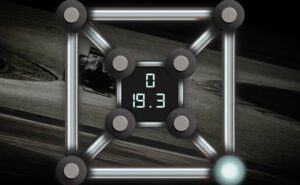
Have you ever waited for the light to turn green while your foot was over the gas? That’s not a big deal. F1 drivers do this at 200 beats per minute, with their adrenaline pumping. Reaction time challenge sites show red and then instantly switch to green to replicate those make-or-break moments. What do you do? Click or press the second you see that green.
Doesn’t it sound easy? Not so quickly. Even the quickest fingers don’t usually crack 0.15 seconds on their first try. Experienced drivers do well when the racing conditions are at the 0.20-second mark, which is very short. That one beat can break a title into pieces or send a rookie to the top of the charts. Don’t believe anyone who says that cutting a hundredth off your response time is easy. It’s harder than obtaining left-handed lug nuts.
Let’s talk about science for a moment. You can’t immediately start predicting based on rhythm because the length of the “hold” phase will be random in a normal exam. Your brain sees something, analyzes the change in color, sends a signal down your nerves, and then your muscles respond. Every connection in that chain adds a few milliseconds of time. Are you tired? Are you distracted? Did you turn down the brightness on your phone? You’ll see that reaction times go up. Before nerves ever come into play, fatigue and too much stimulation might mess with your results.
Want to know how to improve your skills? It could assist to make your training more like a game. Some people can’t stop refreshing their favorite browser test, acting like every time they do it is a qualifying session. Some people use sets with lights and giant “whack-a-mole” buttons to train their body’s muscle memory. Athletes swear by micro-sprints and even video games as strange ways to improve their reaction time.
Is it a crystal ball that sees F1 success? No way. Raw speed at the lights is only one small part of what makes a driver good enough to win a championship. But seeing your results bounce around the screen, especially if you’re with pals, may be really funny. “Did you just flinch? That one doesn’t count! Arguments seem to start as quickly as tires do at turn one.
The f1 response time test is a fun way for kids who want to be supercharged professionals and adults who want to show they haven’t lost their edge to see what makes people different from the heroes on the grid. Try it out, and don’t be worried if your first few tries are a little slow. Even professionals started with one click and kept going until the numbers were too high. Try it out. And don’t forget: no jump starts or lag beginnings.